What is THC flower and how is it different from regular cannabis?
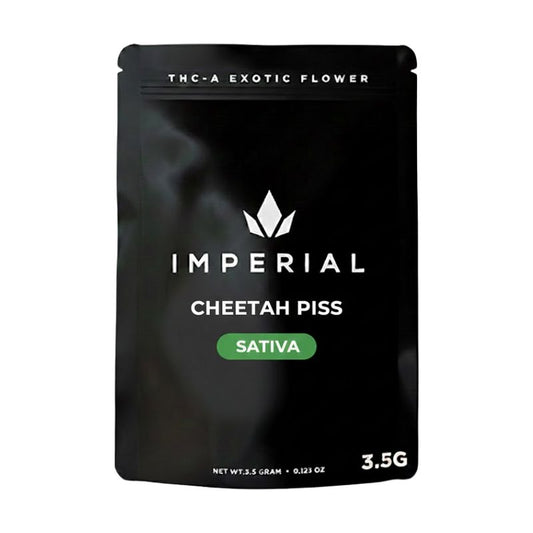
THC Flower refers to the dried, cured buds of the cannabis plant that contain high concentrations of tetrahydrocannabinol (THC), the primary psychoactive cannabinoid responsible for producing a "high."
Key Characteristics:
Natural plant form: Smokable or vapable flower buds
High THC content: Typically 15-30%+ THC (some premium strains exceed 35%)
Rich cannabinoid profile: Contains CBD, CBG, CBN, and other beneficial compounds
Terpene-rich: Full aromatic and flavor profiles from natural plant terpenes
Immediate effects: Fast-acting when smoked or vaporized
THC Flower vs. Hemp Flower:
THC Flower: High THC content (>0.3%), psychoactive, regulated differently
Hemp Flower: Low THC (<0.3%), high CBD, federally legal, non-intoxicating
THCA Flower (Popular Alternative):
Contains THCA (tetrahydrocannabinolic acid), the precursor to THC
Converts to THC when heated (smoking, vaping, cooking)
Federally legal as hemp when in raw form
Produces same effects as traditional THC flower when consumed
THC flower offers the most authentic, full-spectrum cannabis experience with natural terpenes and cannabinoids working together for maximum therapeutic and recreational benefits.
What's the difference between Indica, Sativa, and Hybrid THC flower strains?
Indica Strains:
Physical Characteristics:
Shorter, bushier plants with wider leaves
Originated in cooler climates (Afghanistan, Pakistan, India)
Effects:
Body-focused relaxation and sedation
Deep physical calm and muscle relaxation
Stress and anxiety relief
Pain management
Sleep promotion
Best For:
Nighttime/evening use
Insomnia and sleep disorders
Chronic pain and inflammation
Muscle spasms and tension
Anxiety and stress relief
Appetite stimulation
Common Terpenes: Myrcene, linalool, caryophyllene
Sativa Strains:
Physical Characteristics:
Taller plants with narrow leaves
Originated in warmer climates (Mexico, Colombia, Thailand)
Effects:
Cerebral and uplifting mental stimulation
Increased energy and creativity
Enhanced focus and productivity
Mood elevation and euphoria
Social engagement
Best For:
Daytime use
Depression and mood disorders
Fatigue and low energy
Creative projects
Social situations
Focus and concentration
Common Terpenes: Limonene, pinene, terpinolene
Hybrid Strains:
Characteristics:
Crossbred from Indica and Sativa genetics
Can be Indica-dominant, Sativa-dominant, or balanced (50/50)
Effects:
Balanced combination of mental and physical effects
Customized experiences based on genetic ratio
Versatile for various needs and times of day
Types:
Indica-dominant hybrids: More relaxing with some mental clarity
Sativa-dominant hybrids: More energizing with some body relaxation
Balanced hybrids: Equal mental and physical effects
Best For:
Users wanting balanced effects
Any time of day (depending on dominance)
First-time users seeking moderate experiences
Medical patients needing comprehensive relief
Pro Tip: Individual experiences vary based on personal body chemistry, tolerance, and the specific strain's terpene profile. Start with small amounts to determine how each strain affects you personally.
How do I choose quality THC flower and what should I look for?
Visual Inspection:
Premium Quality Indicators:
Trichome coverage: Dense coating of crystal-like trichomes (resin glands containing cannabinoids)
Vibrant colors: Rich greens with purple, orange, or red hues
Proper trim: Well-manicured with minimal excess leaves
Bud structure: Dense, tight buds (Indica) or slightly looser, elongated buds (Sativa)
Pistils: Healthy orange, red, or brown hair-like structures
Red Flags:
Brown, yellow, or excessively dark coloring (old or improperly cured)
Visible mold, mildew, or white powdery spots
Seeds or excessive stems
Dry, crumbly texture or overly compressed buds
Aroma Assessment:
Quality Indicators:
Strong, distinct aroma: Pungent, fresh, complex scent profile
Terpene-rich: Citrus, pine, earthy, fruity, diesel, or skunky notes
Fresh smell: Not musty, moldy, or hay-like
Common Terpene Aromas:
Myrcene: Earthy, musky, herbal
Limonene: Citrus, lemon
Pinene: Pine, fresh
Caryophyllene: Spicy, peppery
Linalool: Floral, lavender
Texture & Moisture:
Ideal Characteristics:
Slightly sticky when touched (from trichomes)
Springy: Buds should give slightly when squeezed but bounce back
Proper cure: Not too dry (crumbles) or too moist (mold risk)
Breaks apart cleanly when ground
Lab Testing & Transparency:
Essential Information:
THC/CBD percentages: Verify potency
Terpene profile: Understand effects and flavors
Contaminant testing: Pesticides, heavy metals, mold, residual solvents
Third-party verification: Independent lab results (COA - Certificate of Analysis)
Brand Reputation:
Purchase from trusted, licensed sources
Check reviews and customer feedback
Look for brands with transparent growing practices
Verify proper packaging with batch numbers and dates
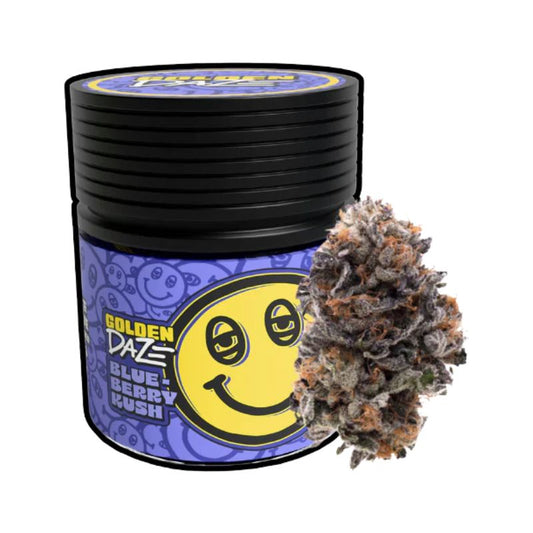
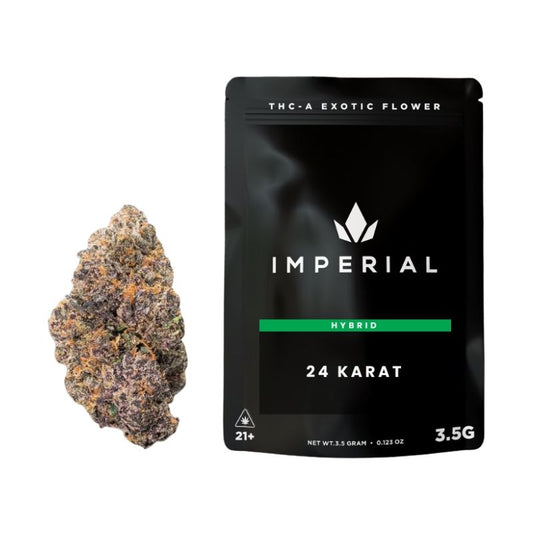
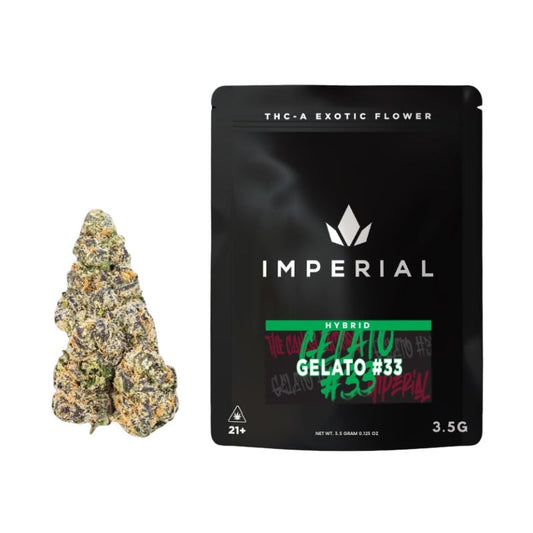
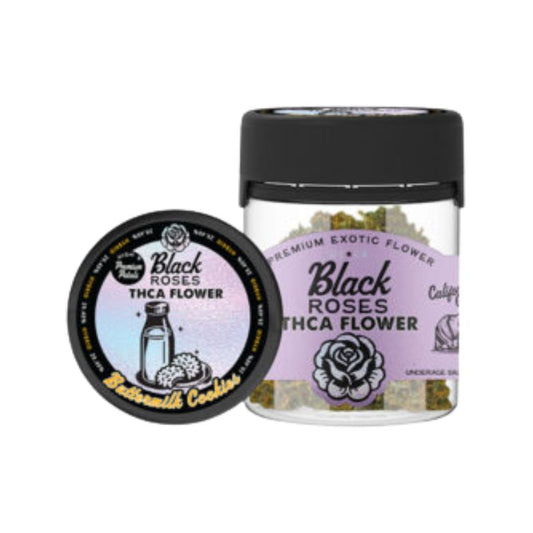
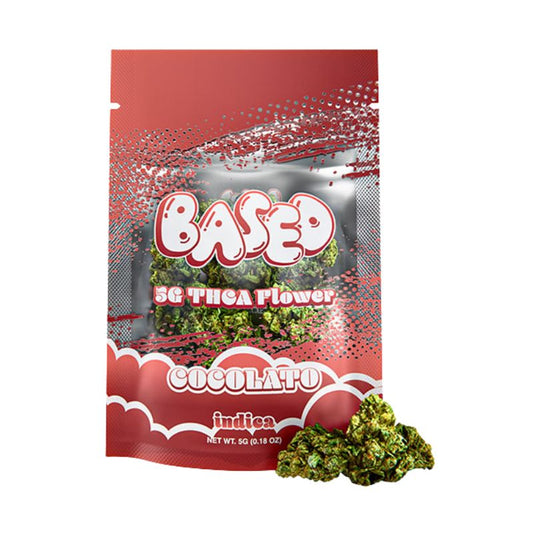
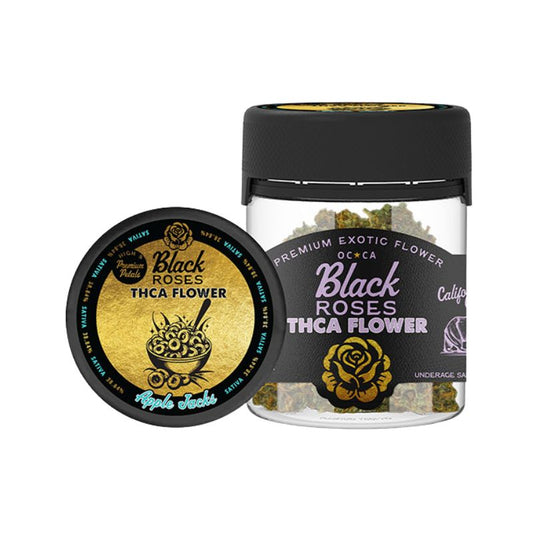
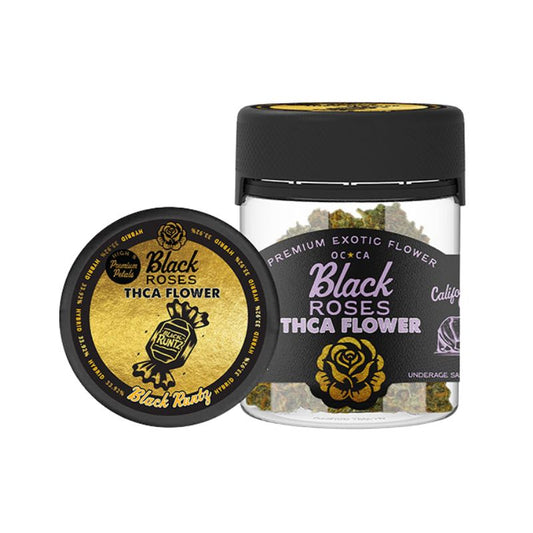
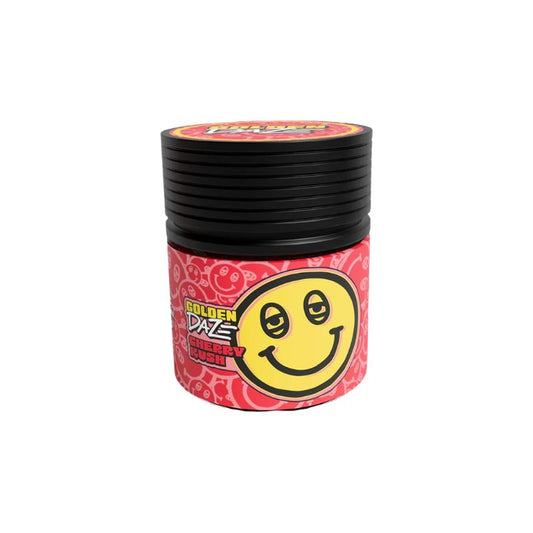
Top-Shelf Brands: Imperial, Black Roses, Based, Golden Daze, Kush
What are the different ways to consume THC flower?
Smoking Methods:
1. Joint/Pre-Roll:
Ground flower rolled in rolling papers
Pros: Portable, convenient, no equipment needed, traditional experience
Cons: Harsh on lungs, strong smell, requires rolling skills (or buy pre-rolled)
Best for: Social situations, on-the-go use
2. Blunt:
Flower rolled in tobacco or hemp wraps
Pros: Slower burn, larger capacity, flavorful wraps available
Cons: Contains tobacco (traditional wraps), harsher smoke
Best for: Group sessions, extended smoking
3. Glass Pipe/Bowl:
Small handheld glass or metal pipe
Pros: Reusable, portable, easy to use, no papers needed
Cons: Can be harsh, requires cleaning, breakable (glass)
Best for: Quick, personal sessions
4. Bong/Water Pipe:
Water-filtered smoking device
Pros: Smoother hits, water filtration cools smoke, powerful effects
Cons: Not portable, requires maintenance, fragile
Best for: Home use, smoother smoking experience
5. Bubbler:
Hybrid between pipe and bong with water filtration
Pros: Portable water filtration, smoother than pipes
Cons: Smaller capacity, requires water
Best for: Portable smooth hits
Vaporizing:
Dry Herb Vaporizer:
Heats flower to release cannabinoids without combustion (typically 350-430°F)
Pros: Healthier (no smoke), preserves terpene flavors, more efficient, discreet odor
Cons: Requires device purchase, learning curve, battery maintenance
Best for: Health-conscious users, flavor enthusiasts
Popular devices: PAX, Storz & Bickel, Arizer
Edibles (Homemade):
Decarboxylation & Infusion:
Heat flower to activate THC (decarboxylation)
Infuse into butter, oil, or alcohol
Use in cooking/baking
Pros: Long-lasting effects (6-8 hours), no lung irritation, discreet consumption
Cons: Delayed onset (1-2 hours), difficult to dose, strong body effects
Best for: Long-lasting relief, avoiding inhalation
Tinctures & Topicals (DIY):
Alcohol or oil-based extractions for sublingual or topical use
Recommendation: Start with smoking or vaping for immediate, controllable effects. Beginners should avoid edibles initially due to delayed onset and intensity.


 Sold out